Author: Zander Jepsen

5 Ways to Accurately Measure Fat Loss

The most common mistake I see made is using one tool (generally the scale) to measure a successful fat loss phase. Normal practice is to randomly weigh in and decide whether or not weight loss occurred. This could be the typical “weigh in once a week” idea or just whenever the individual feels like it. What this does not account for is the variability in body weight on a day to day basis. Many times on “weigh in day” a number of external factors (prior days nutrition, amount of water consumed, bathroom usage etc) can produce skewed data. At this time you see a higher number and freak out. Weighing in at irregular times is even worse. People at the gym will weigh in when they arrive and again after they left. Just because you sweated for 1 hour does not mean you instantly lost actual body weight.

While many use the scale incorrectly I will say during a fat loss phase, it is a big part of gaging progress. In most situations if you are losing body fat, you are going to see the number on the scale go down. With that said here are the 5 ways to track fat loss.

  1. Measurements: I am a big fan of taking body circumference measurements. For me, this is easiest way to actually assess an in person client. In some cases self reported body weight can give me skewed or incorrect data. I have also learned that many beginners just can’t handle the mental grind of doing regular weigh ins. Taking measurements of the hips, stomach, legs, arms and chest can be an effective way to gage progress. Generally if the hip/waist areas are going down in circumference it is a good sign that you are losing fat. If the scale is stagnant, yet measurements go down good things are happening. For a beginner or detrained individual this could also mean a body recomp is occurring (simultaneously gaining muscle while losing fat).
  2. How clothes are fitting: In a lot of cases a certain pair of pants becoming too tight can be the initial motivation behind starting a fat loss journey. Nothing feels worse than not being able to fit into a favorite outfit due to an expanded waist line. After regular exercise it may become evident that these clothes are fitting more comfortably again.  This is a strong indication of a positive change in body composition.
  3. Progress Photos: These can obviously be kept private. This is unless you have a coach and/or someone close with you to share with. Many times, a week or two with minimal change in numbers can occur. Taking photos at least every two weeks can REALLY tell the story.  Documentation via photos can give a clear, non biased visual of what is happening. I have seen individuals complain about not making any progress. This is until they put two photos side by side and see clear visual changes. This can also be a valuable tool to know when progress is NOT being made and dietary adjustments are required to elicit a result.
  4. The way you look in the mirror. This sort of goes hand in hand with photos, however there are things you notice in the mirror that simply can not be caught on camera for whatever reason. This could be as simple as noticing a little more definition in a new area. Whether we like to admit it or not, we all check ourselves out in the mirror and are our own worst critic. With that in mind, noticing something positive is generally a sign good things are happening.
  5. Last but not least is…..the SCALE! Despite being commonly misused, the scale is still an extremely viable tool to measure fat loss. If you lose a significant amount of body fat you better believe it will show on the scale over time. Day to day or even week to week changes may seem minimal, however with relentless consistency it will add up. As mentioned in the beginning people generally do not use the scale to gather data in the way they should. The proper way to use the scale is to weigh in 4-7 days per week under the EXACT same conditions: No clothes, after waking and using the bathroom, and before eating or drinking anything. Each weigh in is used to formulate a weekly average. This average is what you want to look at, rather than day to day fluctuations. The big caveat (mentioned under number 1) is that a lot of people just simply don’t have a healthy relationship with the scale. If this is the case, just use the other 4 tools and ditch the scale.
You are Asking the Wrong Question

1


“Hey man you got big arms what is the best exercise to get that long head of the tricep like yours?”

“Wow you lost a lot of weight can you tell me exactly what you have for breakfast lunch and dinner everyday? I’ll just copy those recipes.”

“What is the best rep range to build muscle?”

If you have spent sometime in the gym or online fitness community I am sure you have heard these questions asked a million times. They come from a place of innocence and excitement. Most people tend to think there is a “magic trick” or there is “the program”. Unfortunately there is no such thing. It is natural to gravitate towards the biggest guy in the gym and assume he can just give you a black and white or yes and no answer that solves all your problems and puts you on the fast track to unlimited progress.

The true issue is that the person asking the question really has no idea what they are asking. None of the answers they get to these questions will solve their issue or be the end be all to what they want. The answer is generally “it depends”.

Are there exercises that better target the long head of the tricep? Certainly, however the guy with the big arms did not get there from that one particular exercise or rep range. The real answer would be something along the lines of “do a lot of pressing/pulling exercises with around 10 direct sets for biceps and 10 direct sets of triceps weekly on top of that. On these sets/exercises make sure to have a sufficient level of effort, implement some form of progression and do it for the next 5+ years while eating in a caloric surplus close to 75 percent of that time. (Keep in mind these are general guidelines) The problem is that this is not what the person asking the question wants to hear.

If I lost 25 pounds in a manner that was suited to my lifestyle, preferences and caloric budget it would be irresponsible to just tell you exactly what I ate as if it actually solved your problem. How many meals I ate per day, grams of carbs I had per day and what particular protein source I had at lunch has nothing to do with what you want to do. In reality it does not matter how I got there. What matters is that you can adopt a system that allows you to stay in a consistent energy deficit.

If today I was doing 4×12 on shoulder presses and 4×15 on lateral raises that would not mean those are the magical rep or set schemes for these exercises. All it means is that is my prescribed volume on that particular day for that phase of my training plan. The manipulation of various training variables is a never ending process that will take a lot of time, trial and error and simply messing up (even with a coach guiding you). You may even come across the guy who has been lifting for 15 years and has amazing shoulder development, however says he avoids shoulder presses. A lot of times a new lifter will hear this and decide to ditch any variation of shoulder press. This could be a drastic mistake, especially if the experienced lifter got most of his early development from lots over shoulder pressing and only recently dropped them due to an injury.

The moral of the story here is that if you are relatively new to weight training do not seek black and white answers. If you ask someone a specific question like this and get a specific answer it is going to be a red flag in most cases (context is obviously of high importance here). On the flip side, if you are somebody being asked a question do not be afraid to give the “unsexy” answer or take some time to educate the individual. If you truly do not know be sure to tell them that and do your best to refer them to a source that can help them. It is important to understand that if you intend to help, coach or guide other people and put yourself out there this way education is key. Educating individuals to understand principles rather than just blindly following some made up rules is essential in my opinion.

For those of you who are tempted to ask these kinds of questions, think about what you are really asking before you go seeking such specific answers. Will the persons answer even apply to your particular situation? On top of that, are they even really the right person to ask? In most cases the answer is NO.

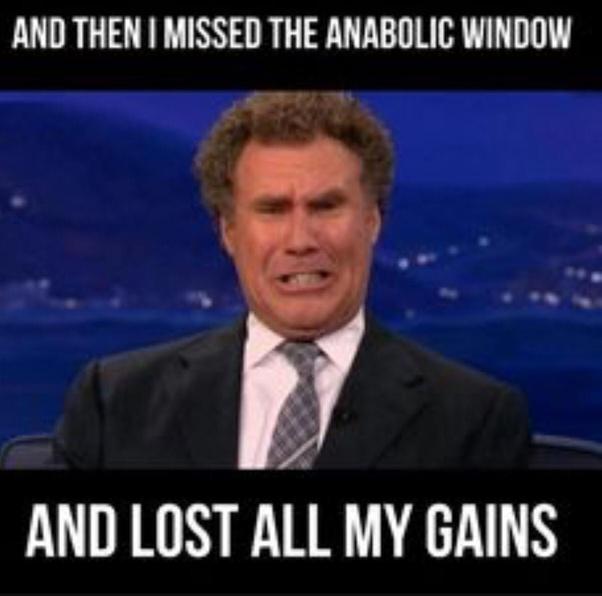
The Post Workout Anabolic Window….Is it Real?

If you have spent some time in the gym I am sure you have seen numerous lifters with their shaker cups and protein powder. Like clockwork they finish their 44th set of bicep curls and then its straight to the water fountain to mix up their chalky powder with warm fountain water and chug it down. The idea is that there is a short window of “Opportunity” to maximize gainz from the just completed workout session. People will even tell you that if you don’t get X grams of some super fast digesting whey protein source within X amount of minutes (usually 30) then you might as well have just stayed home because you wasted that workout. Sound familiar? I heard it when I first started and fell victim to this mentality.

Where does this come from? Unfortunately the supplement companies have been preying on naive young lifters for decades and making a killing from it. Through amazing Marketing strategies (usually Bodybuilders who use drugs) for the latest trendy Protein Powder promising those 20 inch arms they have led us to believe taking it immediately post workout is the most optimal approach. This actually could be correct in some situations, however the problem arises when we look into individual variability. Each person at the gym has showed up under different circumstances. Some show up fasted, others have recently ate a smaller meal containing protein, while others have not ate in 2 hours. In each case the demand for Post Exercise protein will be different. Let me explain below.

Most regular gym goers training for strength/hypertrophy train for 1-2 hours and have previously consumed some sort of pre workout meal containing protein. On average this meal is most likely consumed 1-2 hours before coming to the gym. So at the end of a long training session it MAY have been 4 hours since any protein has been consumed. Is it wise to consume some type of protein relatively soon at this point? Yes, I would say so. However, this depends on the type of meal which was consumed pre workout. If it was a heavy mixed meal (fats, carbs, protein, fiber) then the level of urgency is much less. In a scenario where the meal was lighter and less mixed or you were training fasted then the urgency to consume protein is inherently higher.

As you can see in a 2013 Meta Analysis the findings around this topic have been inconsistent. The majority of studies finding a major benefit for Immediate post workout protein were done on fasted individuals. What was concluded is the pre workout meal actually has a bigger effect on how big this “window” truly is. Yes it is optimal to have some kind of protein rich meal pre and post workout, but depending on the individual circumstance it may land anywhere form 3-6 hours after your pre workout meal.

So in reality this window really begins after the pre workout meal, not after the last set of the workout. Looking back on when this meal was, how large it was and if it was mixed will dictate when YOUR “window of opportunity” is closing. When you understand this, it becomes clear that people who speak in black and white terms in regards to this topic are extremely irresponsible, given they do not even know the details of your specific situation. This window is also ONLY to maximize MPS (muscle protein synthesis) and anabolism around a workout. Even if for some circumstance you happen to miss this “window” it does not mean the workout was wasted or you royally screwed up. It simply means you were not 100 percent optimal on that particular day in regards to timing.

To touch further, having optimal post workout protein timing should not even be your main concern. The number one thing for any lifter to focus on in regards to protein, is getting enogh total daily protein first. Consuming adequate daily protein over a long period of time will support muscle growth/maintenance and recovery much better than some acute timing of a chalky shake. Most gym goers actually get this backwards. The amount of people who know exactly when they drink their protein shake, yet have no clue how many daily grams they consume is astonishing. Do not be that person.

To recap where priorities should be

  • Total daily protein intake. Making sure you are meeting your minimum daily protein intake to support your goals is the Big Rock to focus on. If this is not prioritized the timing of your protein is essentially irrelevant.
  • Having a structure between pre/post workout meals that fits your schedule, training preference (IE eating bigger/smaller meal before or fasting), and supports performance/recovery.
  • Having a sufficient amount of protein (25 grams) in the pre and post workout meal to optimize MPS.
  • Understand that the pre workout meal can act as the “immediate” post workout meal if it is close to the workout and containing sufficient protein.
  • In the case above you have no real need to shake up that chalky protein powder in warm fountain water. You can essentially go home, shower and cook a nice meal containing another protein source or go home and blend that shake up so it tastes better.


How to Properly Warmup for Weight Training

I am sure just about everyone knows they should be doing some kind of warmup before weight training. The problem is, most have no clue how to properly execute the pre workout warmup. Commonly I will see guys/gals either do way too much or not enough at all. On one end of the spectrum we have that person who does 20-30 minutes on the cardio, foam rolls and stretches for 20 minutes and then does way too many sets/reps with the barbell before their first working set. Then we have the guy who gets off of his 8 hour shift at work and walks straight to the bar, slaps 135 on and starts going. While a warmup is going to be individual, you want to make sure it follows some basic concepts. The main concepts would be increasing your heart rate and raising your core temperature without over exerting or fatiguing yourself. In reality you want to be somewhere in the middle of our two examples. Just how much you do before will again depend on your specific situation.

First we start with the dynamic warmup. This is an active, specific warmup done using a variety of exercises or drills. What we want to avoid is holding static stretches for a long duration of time (more than 30 seconds). This 2017 Study actually showed that a greater amount of volume was performed in the group that DID NOT perform static stretches. As you can see in this 2005 Study dynamic stretching had a significant impact on performance. With these dynamic movements we would like to achieve an increased heart rate and body temperature, however this should not be achieved via wasted energy. There is no need to go crazy on the cardio or get to the point where you are tired before a workout. The exercises you choose should be specific to your training that day while improving mobility in an area that you may feel needs attention. For example if you are squatting you will probably do some things such as leg swings, body weight lunges and body weight squats to warm up the hips, glutes and ankles. As you can see these exercises are active and very specific to the lifting that is to come.

Once you understand the actual concepts it is time to build your dynamic routine. It is also important to understand there is no “set” dynamic stretching approach. You may find your warmup will evolve, lengthen/shorten and change over time. This could depend on what you are doing at work/in your everyday life, if you have nagging pain/injury or if you just have less time to spend in the gym. As stated before, how you build this will be individual. As a general recommendation here is how you could structure your dynamic warmup.

5-15 Minutes.

3-6 exercises in a circuit or straight set fashion, whichever you prefer

Example: Leg swings, banded lunges, body weight squats, arm swings (remember these exercises are made up off the top of my head and not specific to YOU)

8-12 reps each exercise.

2-4 times each

From here you are ready to start your actual warmups. One thing I have noticed in the past with clients and gym goers is the lack of understanding on how to approach these warmup sets. Just like in the dynamic warmup the idea is not to overexert yourself. Essentially we are trying to make steady climbs up to our working weight while getting the muscles primed to do their job. Finding your groove with the movement while waking up the central nervous system is the idea here. A common mistake I observe is doing far too many sets and in those sets going too close to failure. For example I will routinely see guys who are squatting a top weight of 315, yet for some reason before 315 they do 275 to near failure. This is only going to compromise the total volume that can be done with 315. That is not a productive warmup. As an example a more optimal warmup for a 315 squat workout of 3×8 would look something like this:

Bar x8

135×8

185×5

235×3

285×2.

Across the board we have 50 pound increases and the last set is nowhere near failure. It is a bit closer to the working weight  (30 pounds) so we will not be shocked when feeling 315 on our back. On top of that we have saved all of our energy to get the most out of the 3 working sets. Over time this approach will allow for the most volume at the prescribed load to be performed.

On a lighter scale a warmup for a working set day of 175x3x6 may look like

bar x8

95×8

120×4

140×3

160×1-2

A warmup for a heavier weight of 435x3x5 may look like

bar x8

135×8

225×5

315×3-4

365×2

405×1

The idea is to get the body primed for peak performance with the load to be lifted on that day. Getting the body warm through a specific dynamic warmup followed by wise incremental jumps on the barbell with perfect reps far from failure will allow for this to happen. We want to do enough to be ready to attack the weights, but not so much that we go in tired or that 45 minutes have been wasted rolling around on the floor.

Fitness Myth Busters: Spot Reduction

You ever see someone doing 100’s of crunches and then standing up and doing side bends with a plate in their hand? You can bet they aren’t trying to build up their abdominal muscles. They are spending valuable gym time “crunching” away their fat….or so they think. Unfortunately the myth of spot reduction is still very much alive within the general population.

This is essentially the idea that a trouble area can be specifically targeted. You have flabby arms? Well, unfortunately you can’t just do a bunch of tricep extensions and hope for the fat to melt off. The same goes for your legs. There is no such thing as a “thigh toning” exercise. If this were the case people who squat tons of weight would literally have zero fat on their legs. Don’t believe me? Check out this 2011 Study where specific abdominal training had no effect on subcutaneous fat reduction. Or this 2013 Study which found that fat loss was not specifically achieved in the area targeted.

For an educated Fitness Professional this is probably the most frustrating thing to have to address over and over again. Due to unethical marketing tactics from big time corporations this will most likely never die. It would be an awesome world if we could spot reduce and focus specifically on the areas from which we want to lose body fat. Looking great would be much easier and you would not even have to worry about nutrition.

Unfortunately, this is the real world and things just don’t work that way. If you want to lose fat from your stomach you are just going to have to lose fat overall. Your genetics will mostly dictate where the body fat comes from first, and where it hangs out last. There is no use in obsessing and driving yourself crazy over your “trouble areas”. The best thing you can do is maintain a consistent caloric deficit, train with weights 3-5x per week and be patient with the process. Spend your time in the gym more wisely…AKA not doing tons of crunches. With time the fat will come off and more visible muscle definition will start to show.


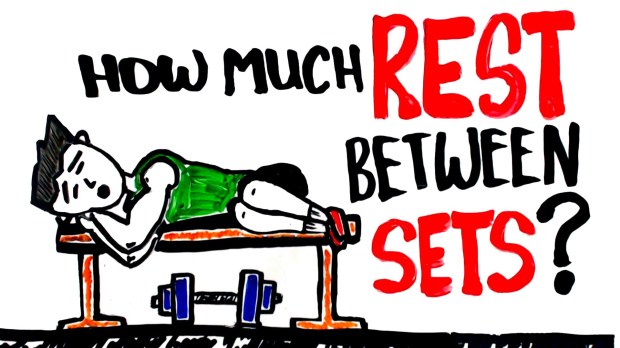
Optimal Rest Periods for Strength and Hypertrophy

Generally the guidelines you will come across for resistance training rest intervals look something like this: 3-5 Minutes for Strength and 1-2 Minutes for Hypertrophy. For years this has been published in magazines, strength training manuals and personal trainer/exercise science educational books. As a matter of fact the first PT Certification I did made these exact recommendations. It has been thought for years that keeping rest intervals shorter will induce better Hypertrophy due to higher levels of metabolic stress, as well as acute hormonal responses that will lead to growth.

On the surface, this does make sense, but most of the recent literature is showing otherwise. In a 2016 Study comparing 1 vs 3 minute rest intervals the 3 minute group saw significantly greater increases in Strength AND Muscle Thickness. To many this is surprising, however ability to perform more total Volume is the key driver behind Strength and Hypertrophy gains. A longer rest interval will allow this to occur. When we put a time constraint on our rest intervals some issues in regards to volume can arise. Rushing into a set before the muscles are recovered and ready to go will ultimately lead to a reduction in volume on that particular set. More than likely a rep will be failed and this will unravel into the following set. As you can imagine doing this over time will lead to a lot less total volume performed. (Volume being Reps x Sets x Load). Lets look at an example to clarify this.

We have a lifter with a prescribed Squat day of 250x3x10 which is approximately 70 percent of their 1RM. This means 250 Pounds for 3 sets of 10 reps.

The lifter decides to keep rest intervals to 60-90 seconds.

Set 1: 10 Reps

Set 2: 8 Reps

Set 3: 7 Reps

After the first set they barely had time to recover. Since the legs and lungs were not full recovered they only achieved 8 on set 2 and then had a very grindy 7 reps on set 3. At this point they were DONE on Squats and more fatigued for their next movement. They accumulated 6,250 Pounds of Squat Volume (250 pounds x 25 Reps).

The following week they decided to come back and try again, only this time they decide rest roughly 3-5 Mins or as long as needed to be able to complete the next set.

Set 1: 10 Reps

Set 2: 10 Reps

Set 3: 10 Reps.

BOOM! They completed all 3 sets and the final set of 10 was smoother than the last set of 7 the week prior. Why? Because they did not get under the bar until they were ready to exert 100 percent effort into the set. This time they walked away with 7,500 pounds of squat volume (250 Pounds x 30 Reps). They were also more amped up to complete the next exercise in the program, unlike the week before when they were wrecked after Squatting.

So over time that extra 1,250 Pounds moved on the squat can add up. That is an extra 5,000 pounds monthly and 60,000 Pounds through the year. Imagine the difference these two approaches can yield across the board throughout all the exercises in a given program? That comes out to a whole lot of extra weight moved meaning more GAINZ to be made.

So what is the practical takeaway here? If Strength and/or Muscle Growth are your objectives with training, manipulations should be made to ensure that the most volume with which you can recover from and progress is performed in an efficient manner. Taking shorter rest intervals will almost always compromise the ability to do so. In my opinion it is best to take as long as needed, especially on your bigger compound exercises. These are also exercises which require a high level of technique and focus. Going too soon is not only detrimental to your ability to perform more work, but highly increases the likelihood of injury as well. On smaller Isolation exercises such as a Bicep Curl, Lateral Raise or Leg Extension a 1-2 Minute rest interval may be more appropriate. These types of exercises are much easier to recover from than say a Squat, Press, Row Or Deadlift.

At the end of the day, you will know your body. Waiting until you feel fully capable to perform a set with the best possible effort is your best bet. Some days it may be longer than others and this is where auto regulation comes into play. Being married to a specific rest time is probably not ideal. Remember, Volume and Progression over time are what you should be after, not minimized rest periods.

Fitness Myth Busters: Eating More Frequently

The belief that eating smaller, more frequent meals is beneficial for fat loss because it will “speed up your metabolism” has been around for decades. This belief is still very much alive. The ironic thing is, that in a caloric deficit (which is needed to lose fat) metabolic adaptations are not going to be positive, but that is another topic. From a logical standpoint it does seem to make some sense. There is TEF (Thermic Effect of Food) which is basically the calories your body will burn after eating a meal. The theory is that spacing out your meals will allow you to get the full benefit of TEF and burn more calories. This evolved over time into the regurgitated “eat more small meals to speed up your metabolism and lose more weight” we have all heard time and time again.

Unfortunately the average person hears this and accepts it as facts. “You gotta be eating 6 meals to really lose weight!”. The big problem is that the logic is actually highly flawed. On average a meal will yield a TEF of 10 percent of the total calories. This means that if your meal is 400 calories about 40 will be burned from TEF. A 1200 calorie meal will result in a TEF of 120 calories. So at the end of the day total TEF will be dependent on total calories, not how many times you ate. Should you choose to eat 2 meals in a day or 6 meals the TEF will be identical assuming calories and protein are equal.

So that brings us to the next point. Total Energy Balance is what dictates weight management. In a Meta Analysis reviewing over 300 studies on the topic there were no significant differences found in fat loss between a variety of daily meals consumed. Basically, when calories are equated, more frequent feedings will not have enough of an impact to claim whether it is better or worse. Being able to adhere to a deficit is the most important factor in regards to weight loss, not the arbitrary number of meals eaten. For most, eating every 2-3 hours is simply not practical. The number of meals you eat should depend on your schedule, preference and IMO be somewhat structured around your training schedule to optimize performance and recovery (that is another article). In most cases eating between 3-5 meals daily will be ideal.

Also it is important to note when you feel most satiated. Eating 7 rabbit sized meals per day will probably never leave you fully satisfied. You may find that eating 3-4 bigger meals does the trick. During a fat loss phase satiation is going to play a big role in adherence. It is ideal to minimize the amount of time spent hungry and food focused.  Being able to live a more normal life, or at least feel this way will help make dieting easier. The easier a dieting phase is, the more likely the individual is to stick with it. Whether you find yourself eating 2x per day or 6x, make sure the reasoning behind it is because YOU want to eat that way, not because someone told you it was best. There could be a situation where you find any number of meals to be appropriate.


Eating Healthy….Is it really the answer?

One of the most common roadblocks people run into when starting a fat loss journey is getting a grasp on what it means to actually eat according to their goal. We are constantly spoon fed incorrect dogmas of “don’t eat this if you want that” and “this is good and that is bad”. Unfortunately in our society we are quick to label everything and nutrition is no different. If you asked 10 people what healthy meant to them you would get 10 different answers. The problem is that “healthy” is a term that is relative to the individual. Without knowing the context of the specific situation it is extremely irresponsible to tell someone what is healthy and what is not.

In most situations people simply want to drop a few pounds/inches and improve their body composition. The problem is there is a lack of clear direction on where to start. This is due to the popularity of fad dieting trends, magazine articles (most notably celebrity diets), poor advice from peers etc. Information overload can get you nowhere. At this point most people begin their weight loss journey by trying to “eat healthy”. The problem is that healthy is really not a quantifiable term. For a person with diabetes and/or a particular food allergy healthy will be much different than an athlete who trains two a days.

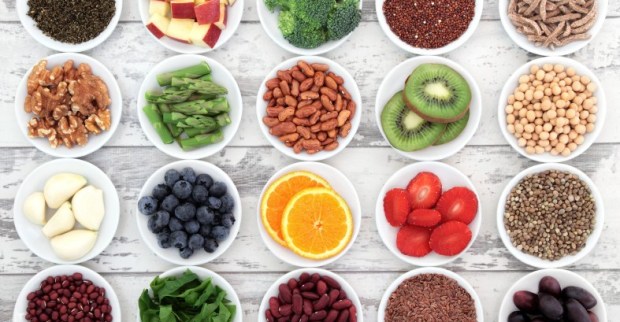
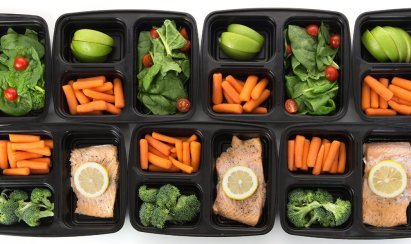
While it may help elicit some initial progress, simply eating healthy (whatever that means to you) is most likely not going to cut it. Just so it is understood, this article is not meant to bash healthy eating or to say that it is a negative thing. A big part of successfully losing weight is choosing predominantly nutrient dense foods. These foods are the types that most will classify as healthy. The catch is that you need to ensure you enjoy the taste of them, they meet your macronutrient and micronutrient needs, and eating patterns are structured in a way with which you can adhere to. Unfortunately this is not the case in most scenarios. People take a black and white or on and off approach. If they are “eating healthy” their meals will consist foods they don’t really enjoy. This is the Monday-Friday “meal prep” approach. Cook a bunch of boring meals with veggies/protein that you have deemed healthy and struggle through the week. Then stumble into your Saturday “cheat day” and go HAM on some food. Sound familiar? If it does I am sure you have found this Yo-Yo approach to be unsustainable.

1442946712468

The main idea I want to emphasize here is there is no such thing as a good food or a bad food. You can have a bad diet made up of traditional “good” foods. Yes, you read that right. You CAN get fat with a diet that is dominated by “healthy” foods. An overconsumption of total calories is the biggest underlying issue.

Example:

180 pound female who needs 2100 calories to maintain her weight.

Her Healthy Meal plan looks like this:

Breakfast: 

3 Eggs cooked in coconut oil, 2 pieces of toast with avocado

Snack: 

Handful of almonds, protein bar

Lunch: 

Chicken Caeser Salad from a nearby restaurant

Snack: 

Handful of almonds, Apple

Dinner: 

Salmon cooked in coconut oil, mixed veggies, sweet potatoes

Sounds pretty healthy right? Well lets do the math

Breakfast: 570 calories

3 Eggs= 210 calories

Coconut oil= 120 calories per serving

Toast= 120 calories per 2 slices

Avocado= 120 calories for the amount she used

Snack: 390 calories

Almonds= 170 calories

Protein Bar=220 calories

Lunch: 700 calories

Salad= 700 calories from the restaurant

Snack: 265 Calories

Almonds=170 calories

Apple=95 Calories

Dinner: 670 Calories

Salmon=300 calories (6 OZ)

Coconut Oil=120 calories

Veggies=50 calories

Sweet Potato=200 calories

So on this “healthy” meal plan we have a grand total of 2,595 calories. This is good enough for her to bulk up at a pretty rapid pace given her maintenance is 2,100. BUT… BUT… she was eating healthy right? So she should lose weight shouldn’t she? If I had a $5 for every time someone told me they “eat healthy” but can’t lose weight I would be rich by now. Something can be the healthiest, most organic, gluten free, vegan approved option, however if it puts you in a caloric surplus it is pretty irrelevant in reality. The body takes excess energy and stores it as fat, regardless of where it came from.

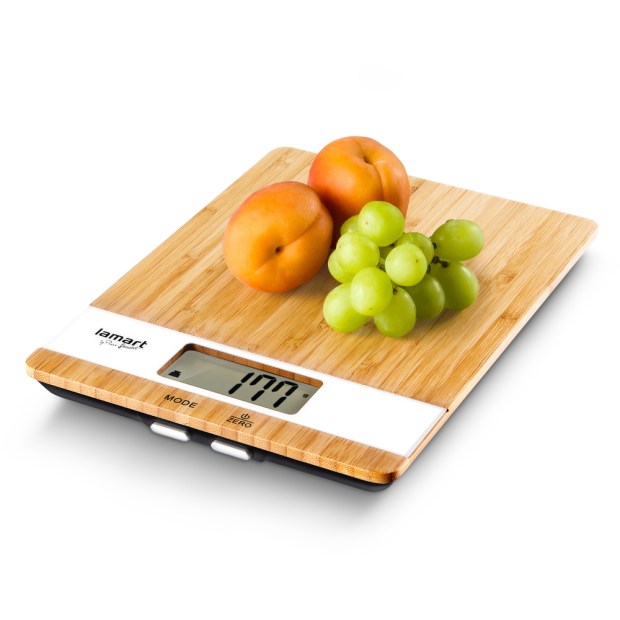
The reason why I recommend choosing more nutrient dense options is they are simply harder to over consume. Getting more sheer volume of food per calorie is the best way to stay on track. For the most part “healthier” options will be the best way to ensure this happens consistently. However, as you can see from our case study, certain foods like almonds, avocado, oils and fattier fishes are extremely calorie dense and can very easily be consumed in excess. People tend to have a mentality that healthy foods are “free” and its okay to go to town on them. This mentality is a recipe for disaster when you have someone hungry and restricting food choices. I have consulted with people before who realized they were eating literally 800-1000 calories a day in standard healthy snacks like nuts and trail mix. Moral of the story? For those more calorie dense options, use the food scale. If you do not have one and you are serious about weight loss, get one now.

The main takeaway here is what is healthy for YOU will be highly dependent on a number of factors. If your goal is just to drop some inches, fit into that old dress again or just feel better about the way you look in the mirror then the quickest route (fad dieting) is probably not the healthiest route . Just because something works in the short term does not make it healthy. Take an approach that fits your lifestyle so you can actually make it work and get results. Just because somebody else classifies it as healthy does not mean it is healthy for you.

Eating Before Bed….Is it bad?

These entries will be short and sweet. The idea is just to touch on common fitness myths I still see circulating around and bring to life some truth about the topic. With that said, lets jump right into Myth Buster #1.

We have heard for years something along the lines of “the calories you eat at night go straight to your hips and waist”. If you are like me this saying will make you cringe. The sad thing is that this belief has stood the test of time. If you are able to think practically about weight management and energy balance then it is clear that things are not so black and white.

If you stopped eating at an arbitrary hour, lets say 6 pm, the amount of calories you have taken in at for the entire day will dictate if you gain or lose weight. On the contrary if you eat a big meal at 10 pm the same rule applies. See the theme? The days total intake will dictate whether you are in a deficit or not. When you decide to consume those calories is highly dependent on personal preference, lifestyle and schedule.

Lets say we have twins who are both 150 pound females. They each need 2000 calories to maintain their weight. Twin 1 eats 2400 calories everyday for 2 weeks straight, but stops eating before 6 pm each day. Twin 2 eats 1600 calories each day for two weeks, however due to a crazy work schedule she eats roughly half of that at 10 PM. So who is more likely to gain weight? Twin 1. Despite not eating past 6 pm she has netted an extra 400 calories each day equaling an extra 5,600 calories over a two week period. Twin 2 is actually in a 5,600 deficit over the same time span despite having a big dinner at 10 pm every night. This puts her in a great place for steady fat loss. To dig even deeper on this, a 2011 study actually showed benefits to eating a carb heavy dinner. Granted this was only one study it further drives home why Twin 2 is in a better place.

So why does late night eating get a bad rap? Quite simply people just tend to overeat at this time. If you have already consumed more calories then you need its obviously a bad idea to eat before bed. Desserts are high in calories and very palatable. This can be a slippery slope for most. This is where self awareness comes into play. If you know yourself to be a mindless snacker or someone who can overeat when tired then it is wise to closely monitor the late night eating.

My personal preference is to eat a bigger meal at night. I feel better when I partition my calories throughout the day to be able to do so. I do understand this may not be everyone else’s preference, however should it be, you can still eat in this manner and manage body weight just fine. Find an approach to eating that is sustainable to your lifestyle and preference and stick with it. Do not let anyone impose unnecessary complicated rules on such a simple situation. Just like anything else, this depends on the context of the individual situation.

How to Accurately Determine your Maintenance Calories

In order to reach a particular fitness goal knowing the number of calories your body needs to maintain its weight is crucial. Energy balance dictates whether weight will be lost, gained or stay the same. This component is often overlooked, however it should be priority number one.

Many calculators out there generate a perceived maintenance, however there is no one size fits all equation. There are a variety of factors, most notably NEAT (Non exercise activity thermogenesis) that are highly individual. Two people with the same exact height, weight, age and level of exercise can actually have a big variance in their maintenance calories. This is not discovered until a baseline time of tracking is achieved. For this reason, real life data from a 2-4 week period will be superior to any equation. I do understand that you need a starting point, which is why I will provide an equation to begin with at the end of this article.

Here are the steps for the baseline tracking period:

  1. Track JUST your calories each day for 2 weeks and input into an app or google document.
  2. Weigh yourself every morning (no clothes on after using the bathroom and before eating/drinking). Track this weight on an excel sheet or google document.
  3. At the end of each week compute an average for the calories and the body weight.
  4. Based on the data collected determine if you are in a caloric deficit, at maintenance or in a caloric surplus.
  5. From here make necessary adjustments based on your goals.


Example 1

200 Pound Male

Goal: Fat Loss

Calories: 2500


Week 1

Weight Average: 198.6

Calorie Average: 2540

Week 2

Weight Average: 197.2

Calorie Average: 2460


When you look at the two weeks of data it is quite evident this individual is in a caloric deficit. He has lost an average of 1.4 pounds per week on an average of 2500 calories per day. In this case I would make no adjustments since fat loss is the goal and he is losing at a nice rate.


Example 2

160 Pound Female

Goal: Fat Loss

Calories: 1900


Week 1

Weight Average: 159.9

Calorie Average: 1938

Week 2

Weight Average: 159.7

Calorie Average: 1962


This individual has lost an average of 0.15 pounds per week. They are likely just below their bodies maintenance calories. If we use the rule that 3500 calories is roughly a pound we can compute the exact deficit this person is in.

3500 calories divided by 7 days =500 calories per day for 1 pound lost (remember this is a rough guideline and a moving number, not a set in stone thing). Since the individual lost 0.2 pounds from week 1 to week 2 we can conclude that they are in roughly a 100 calorie deficit. On an average of 1950 calories during that time we can conclude that maintenance calories are currently 2,050 per day. Based on their goal of fat loss they will need to either reduce their calories or have a combination of calorie reduction and increased activity. This will create a larger deficit and allow them to start losing at a faster rate.


So now you must be wondering how to get your calorie starting point. Below is an equation that will determine an ESTIMATED RANGE for a calorie starting point. It is important to keep in mind that even if this is high and you notice after 2 weeks the body weight has trended up that is still okay. At this point you will still be able to determine your maintenance and make the necessary adjustments to work towards YOUR goal.


First multiply your body weight by 10.

Take the number you get and multiply based on the range that applies to you.

  1. Sedentary +3-6 days of weights. x 1.2-1.5
  2. Mild activity +3-6 days of weights x1.4-1.7
  3. High activity +3-6 days of weights x1.6-1.9
  4. Extremely High Activity +3-6 days of weights x1.8-2.1

Example: 200 pound male who has mild activity

200×10=2000. 2000×1.4-1.7= 2800-3400 calories per day. As you can see this gives a big range of calories which can overlap to the next range as well. It is important to keep in mind that this is just a starting point, not THE answer. So if your goal is fat loss it is probably wise to start on the lower end of the range.


Being able to use these tools correctly will be highly dependent on the level of accuracy that is obtained during this time. Tracking correctly, analyzing the data and recognizing trends will set you up for success. This is not to say you have to track this way forever, but it will give you a great idea of proper portion sizes, how to weigh food and how to monitor body weight changes at the same time. Accuracy is key, especially when it comes to fat loss. Not accounting for certain things can make the difference of being in a surplus or a deficit.


ZJ PT LOGO