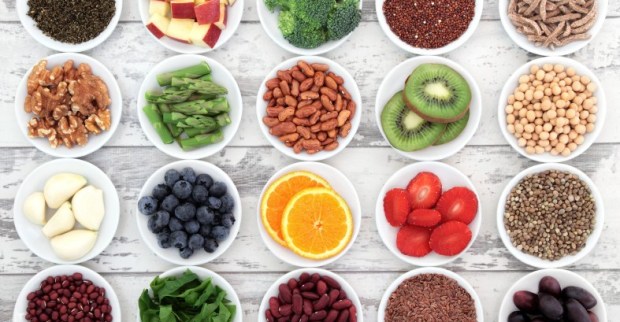
One of the most common roadblocks people run into when starting a fat loss journey is getting a grasp on what it means to actually eat according to their goal. We are constantly spoon fed incorrect dogmas of “don’t eat this if you want that” and “this is good and that is bad”. Unfortunately in our society we are quick to label everything and nutrition is no different. If you asked 10 people what healthy meant to them you would get 10 different answers. The problem is that “healthy” is a term that is relative to the individual. Without knowing the context of the specific situation it is extremely irresponsible to tell someone what is healthy and what is not.
In most situations people simply want to drop a few pounds/inches and improve their body composition. The problem is there is a lack of clear direction on where to start. This is due to the popularity of fad dieting trends, magazine articles (most notably celebrity diets), poor advice from peers etc. Information overload can get you nowhere. At this point most people begin their weight loss journey by trying to “eat healthy”. The problem is that healthy is really not a quantifiable term. For a person with diabetes and/or a particular food allergy healthy will be much different than an athlete who trains two a days.
While it may help elicit some initial progress, simply eating healthy (whatever that means to you) is most likely not going to cut it. Just so it is understood, this article is not meant to bash healthy eating or to say that it is a negative thing. A big part of successfully losing weight is choosing predominantly nutrient dense foods. These foods are the types that most will classify as healthy. The catch is that you need to ensure you enjoy the taste of them, they meet your macronutrient and micronutrient needs, and eating patterns are structured in a way with which you can adhere to. Unfortunately this is not the case in most scenarios. People take a black and white or on and off approach. If they are “eating healthy” their meals will consist foods they don’t really enjoy. This is the Monday-Friday “meal prep” approach. Cook a bunch of boring meals with veggies/protein that you have deemed healthy and struggle through the week. Then stumble into your Saturday “cheat day” and go HAM on some food. Sound familiar? If it does I am sure you have found this Yo-Yo approach to be unsustainable.
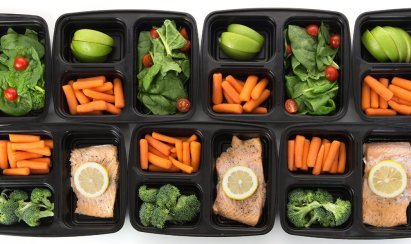
The main idea I want to emphasize here is there is no such thing as a good food or a bad food. You can have a bad diet made up of traditional “good” foods. Yes, you read that right. You CAN get fat with a diet that is dominated by “healthy” foods. An overconsumption of total calories is the biggest underlying issue.
Example:
180 pound female who needs 2100 calories to maintain her weight.
Her Healthy Meal plan looks like this:
Breakfast:
3 Eggs cooked in coconut oil, 2 pieces of toast with avocado
Snack:
Handful of almonds, protein bar
Lunch:
Chicken Caeser Salad from a nearby restaurant
Snack:
Handful of almonds, Apple
Dinner:
Salmon cooked in coconut oil, mixed veggies, sweet potatoes
Sounds pretty healthy right? Well lets do the math
Breakfast: 570 calories
3 Eggs= 210 calories
Coconut oil= 120 calories per serving
Toast= 120 calories per 2 slices
Avocado= 120 calories for the amount she used
Snack: 390 calories
Almonds= 170 calories
Protein Bar=220 calories
Lunch: 700 calories
Salad= 700 calories from the restaurant
Snack: 265 Calories
Almonds=170 calories
Apple=95 Calories
Dinner: 670 Calories
Salmon=300 calories (6 OZ)
Coconut Oil=120 calories
Veggies=50 calories
Sweet Potato=200 calories
So on this “healthy” meal plan we have a grand total of 2,595 calories. This is good enough for her to bulk up at a pretty rapid pace given her maintenance is 2,100. BUT… BUT… she was eating healthy right? So she should lose weight shouldn’t she? If I had a $5 for every time someone told me they “eat healthy” but can’t lose weight I would be rich by now. Something can be the healthiest, most organic, gluten free, vegan approved option, however if it puts you in a caloric surplus it is pretty irrelevant in reality. The body takes excess energy and stores it as fat, regardless of where it came from.
The reason why I recommend choosing more nutrient dense options is they are simply harder to over consume. Getting more sheer volume of food per calorie is the best way to stay on track. For the most part “healthier” options will be the best way to ensure this happens consistently. However, as you can see from our case study, certain foods like almonds, avocado, oils and fattier fishes are extremely calorie dense and can very easily be consumed in excess. People tend to have a mentality that healthy foods are “free” and its okay to go to town on them. This mentality is a recipe for disaster when you have someone hungry and restricting food choices. I have consulted with people before who realized they were eating literally 800-1000 calories a day in standard healthy snacks like nuts and trail mix. Moral of the story? For those more calorie dense options, use the food scale. If you do not have one and you are serious about weight loss, get one now.
The main takeaway here is what is healthy for YOU will be highly dependent on a number of factors. If your goal is just to drop some inches, fit into that old dress again or just feel better about the way you look in the mirror then the quickest route (fad dieting) is probably not the healthiest route . Just because something works in the short term does not make it healthy. Take an approach that fits your lifestyle so you can actually make it work and get results. Just because somebody else classifies it as healthy does not mean it is healthy for you.
 Personal Trainer & Coach